
What Sets Us Apart?
Built on a solid foundation, designed to stand firm through every storm.
At Seven:24 Solid Built, our mission is to build homes that stand the test of time—engineered with excellence, and grounded in the wisdom of Matthew 7:24. We specialize in Structural Insulated Concrete Panel (SCIP) construction, delivering hurricane-resistant, energy-efficient, and exceptionally strong homes designed to endure both the storms of life and the forces of nature. Guided by faith, integrity, and innovation, we create secure, sustainable homes where families can grow, thrive, and build a lasting legacy on an unshakable foundation.
Matthew 7:24-25 “Therefore everyone who hears these words of Mine and acts on them, may be compared to a wise man who built his house on the rock. And the rain fell, and the floods came, and the winds blew and slammed against that house; and yet it did not fall, for it had been founded on the rock.”
Why SCIP?
Energy Efficiency: Stay comfortable year-round while reducing energy costs.
Durability: Strong, weather-resistant homes that stand the test of time.
Sustainability: Building homes that are better for the environment, without compromising on style or safety.
Innovative Design: Custom homes that reflect your unique vision, all while using the latest in construction technology.
Build smart. Live better. Let us help you build a home that works for your life today, and for generations to come.
-
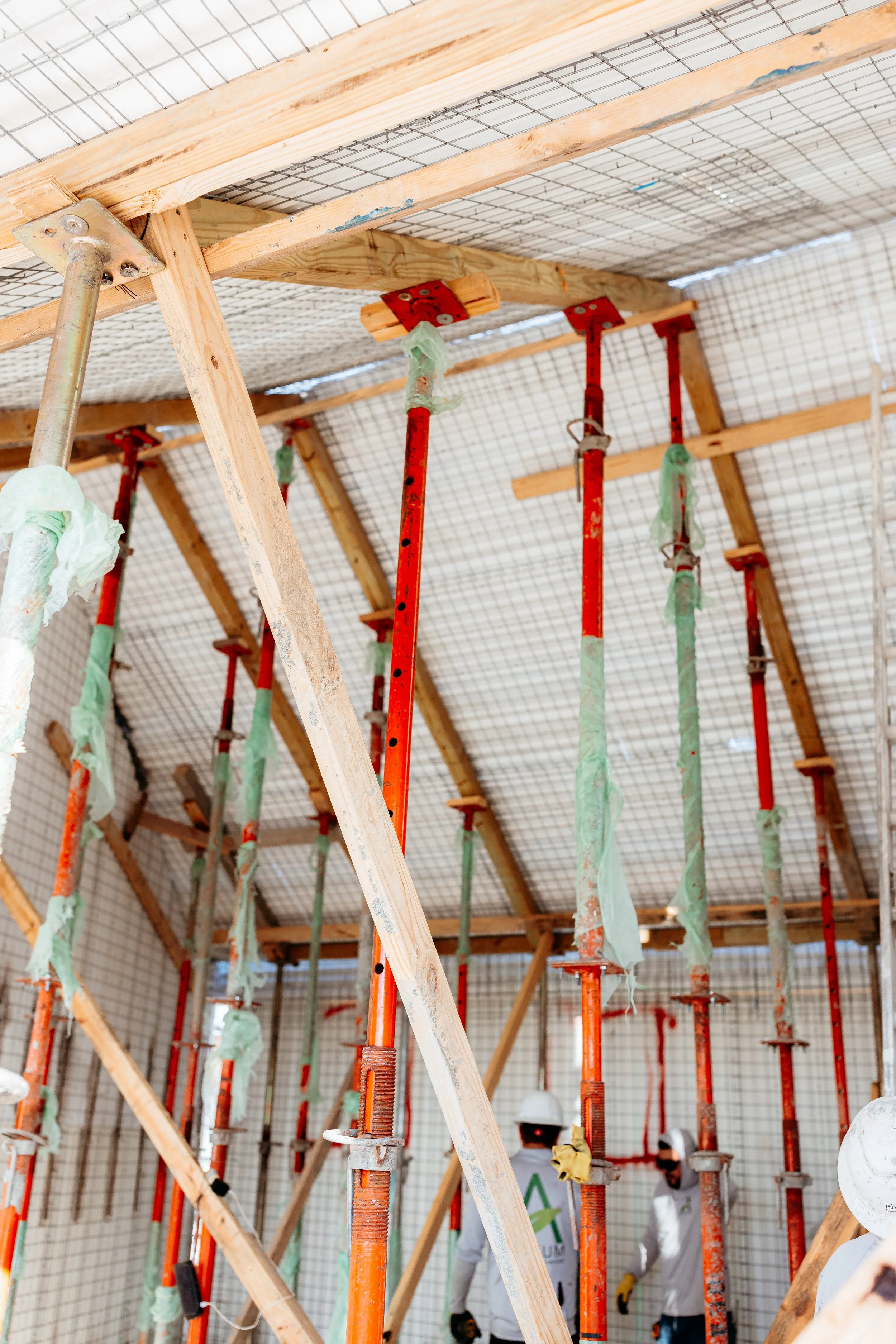
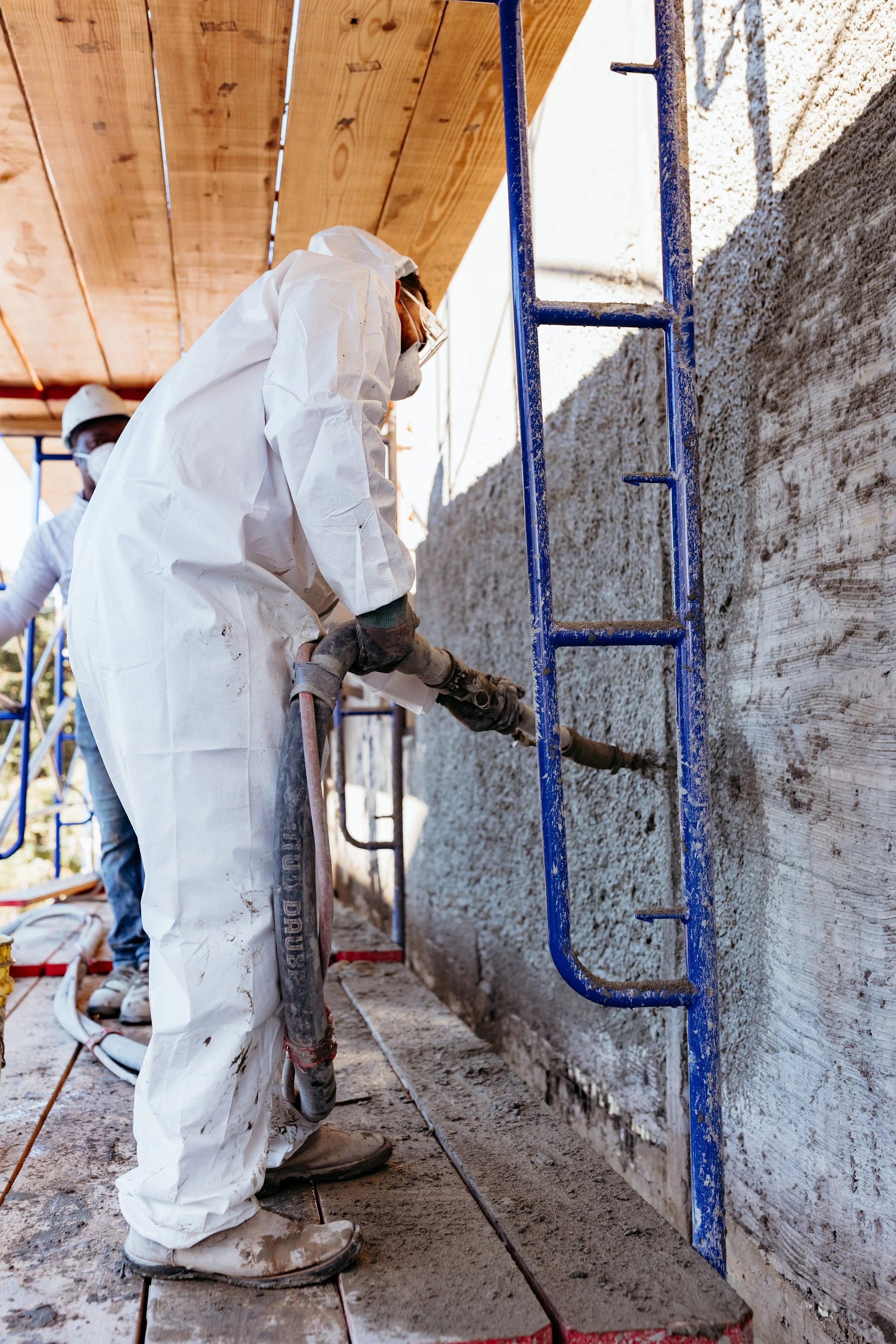
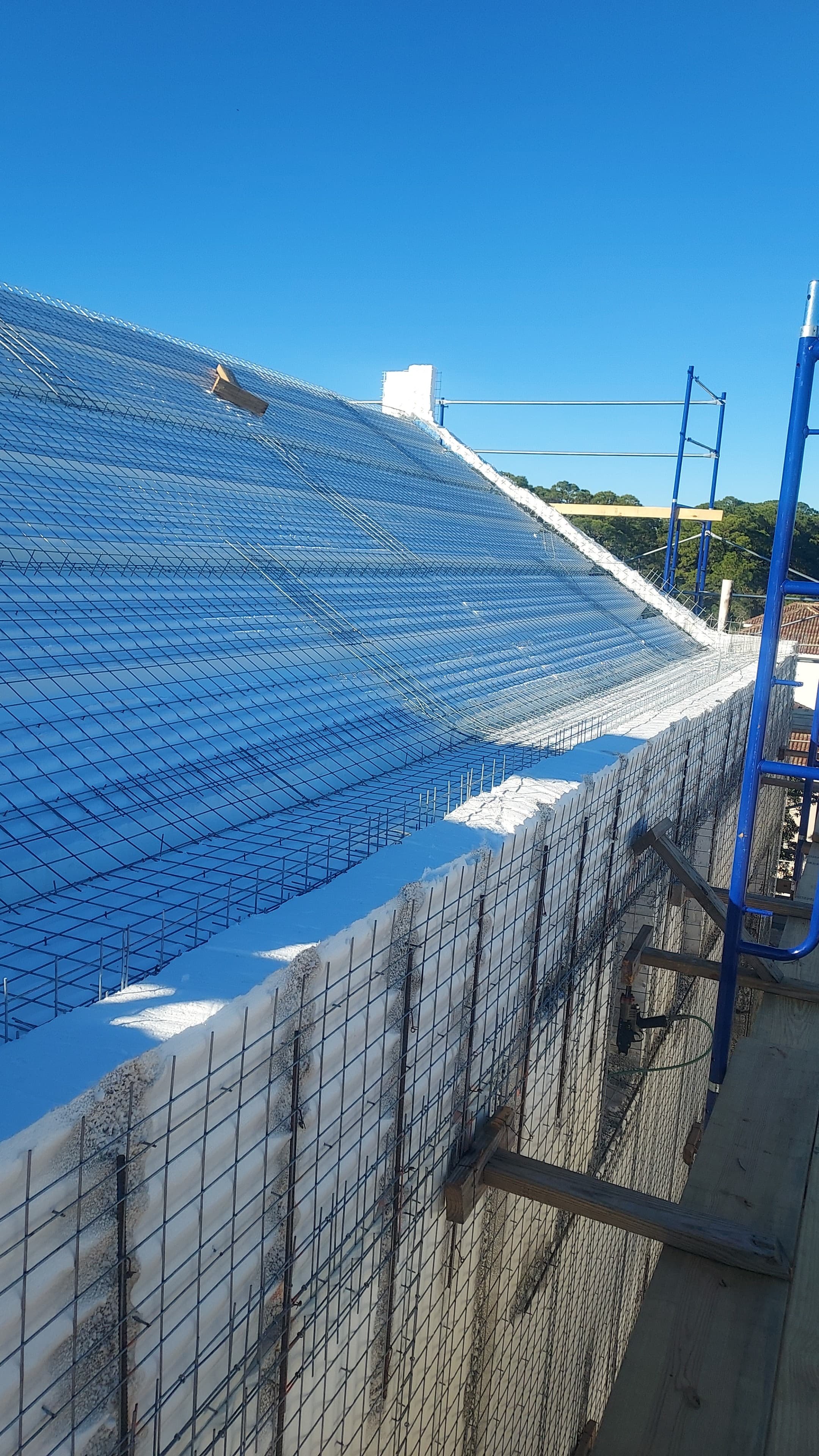
SCIP (Structural Concrete Insulated Panels) are a high-performance building system made of reinforced concrete layered over insulated panels, creating a single, monolithic wall.
The result is exceptional strength, energy efficiency, and long-term durability. -
SCIP is a superior alternative to CMU, forming a monolithic concrete wall system with continuous insulation that eliminates thermal bridging and reduces structural weak points.
-
SCIP systems are engineered for superior storm durability. Their advanced composite construction offers enhanced strength, impact resistance, and long-term performance compared with traditional building materials. This results in better protection against high winds, flying debris, and extreme weather events—giving homeowners and builders greater peace of mind in storm-prone regions.
-
SCIP delivers industry-leading energy efficiency. Its high-performance insulated composite panels dramatically reduce thermal bridging and improve overall building envelope performance, helping maintain stable indoor temperatures with less energy. This means lower heating and cooling costs, reduced environmental impact, and superior comfort year-round—making SCIP a top choice for energy-efficient construction.
-
SCIP offers exceptional customizable architecture and design flexibility. Its modular, adaptable panel system allows architects and builders to create a wide range of aesthetic styles and functional layouts without sacrificing performance. From unique facades to versatile interior configurations, SCIP makes it easy to bring creative visions to life while ensuring high-quality, efficient construction.
-
SCIP is highly mold-resistant by design. Its closed-cell composite materials don’t absorb moisture like wood or fibrous insulation, which means there’s less water available for mold to grow. This built-in resistance helps improve indoor air quality and reduces maintenance concerns in humid or wet environments.